Indochina Travel Guide: Live Like a Local in Vietnam, Cambodia & Laos

Exploring Indochina is more than just a journey—it’s a soulful immersion into the heart of Southeast Asia. Comprising Vietnam, Cambodia, and Laos, this region offers an enchanting blend of natural beauty, ancient culture, spiritual traditions, and modern vitality. For travelers who seek authenticity over luxury and connection over convenience, Indochina is where every smile, street market, and temple tells a story.
What Makes Indochina So Special?
Unlike other parts of Asia, Indochina still retains a rare balance between timeless tradition and contemporary life. You’ll find yourself savoring a cup of Vietnamese coffee in a bustling Hanoi alleyway one morning, gliding along Cambodia’s Tonlé Sap Lake by afternoon, and watching saffron-robed monks in a Laotian temple by dusk. Each country shares a cultural kinship yet reveals its own distinct rhythm, cuisine, and way of life.
For travelers craving authenticity, this region encourages you to slow down, connect, and “live like a local.”
Vietnam: Where Energy Meets Elegance
Vietnam is a nation that thrives on contrasts—ancient temples meet glassy skyscrapers, and the chaos of city streets fades into serene rice terraces and emerald bays.
Start your journey in Hanoi, the capital where old-world charm and modern art flourish side by side. Wander through the Old Quarter’s labyrinth of streets, sample pho at a roadside stall, and join locals for bia hoi (fresh beer) at sunset. Don’t miss a stroll around Hoan Kiem Lake, especially in the early morning when residents gather for tai chi.
Down south, Ho Chi Minh City (Saigon) hums with life. Its French colonial buildings, hip cafés, and vibrant nightlife make it a magnet for urban explorers. Beyond the cities, destinations like Ha Long Bay, Hoi An, and the Mekong Delta promise unforgettable scenery and experiences.
If you’re planning your trip, consider booking through the best travel agency in Vietnam. Local experts can tailor itineraries that reveal the country’s hidden gems, whether you crave mountain trekking in Sapa or a peaceful escape to Phu Quoc Island.
Cambodia: Echoes of the Ancient Kingdom
Cambodia’s soul is woven with both grandeur and resilience. Most travelers begin with the magnificent Angkor Wat, the world’s largest religious monument, and for good reason—it’s awe-inspiring. Yet, Cambodia’s beauty extends far beyond Siem Reap.
In Phnom Penh, the capital, the Mekong River flows gracefully through a city that’s rapidly reinventing itself. Street markets buzz with color, and riverside cafés make for perfect people-watching spots. Visit the Royal Palace and the National Museum to dive into Cambodia’s royal and cultural heritage.
For a slower pace, Kampot and Kep offer riverfront relaxation, pepper farms, and colonial-era charm. Along the coast, Sihanoukville and nearby islands like Koh Rong invite you to enjoy pristine beaches and turquoise waters.
To experience a more meaningful holiday, choose a vacation package to Vietnam that also extends into Cambodia. Many local agencies craft combined tours that balance must-see highlights with authentic cultural encounters—homestays, local cuisine workshops, and temple visits guided by locals.
Laos: Serenity in Slow Motion
If Vietnam energizes and Cambodia captivates, Laos soothes the soul. It’s one of Asia’s most peaceful destinations, where spirituality and simplicity define daily life.
In Luang Prabang, time seems to stand still. Golden temples, French colonial architecture, and the gentle rhythm of the Mekong make this UNESCO World Heritage city an unforgettable stop. Rise early to witness the monks’ alms-giving ceremony—a sacred ritual that reflects Laos’ deep Buddhist faith.
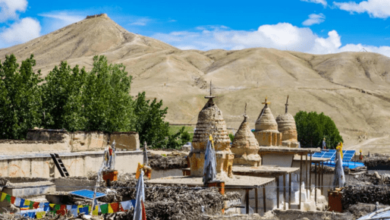
Venture further south to Vang Vieng, where karst mountains and rivers invite adventure through kayaking, caving, and hot air ballooning. The capital, Vientiane, offers a slower pace, filled with riverside restaurants and elegant temples like Pha That Luang.
Laos may be small, but it’s rich in authenticity—perfect for travelers seeking introspection, community, and a true “live like a local” experience.
How to Experience Indochina Like a Local
To travel through Indochina as more than just a tourist, embrace its pace and people. Take public transportation when you can, join community-based tours, learn a few local phrases, and eat where locals eat. Homestays and small guesthouses offer deeper cultural exchange than large hotels.
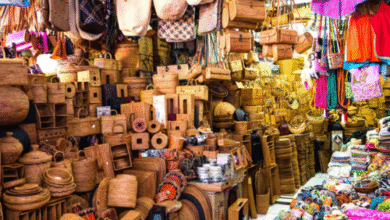
You’ll also find joy in the region’s simple daily rhythms: morning markets, sunset boat rides, and family-run food stalls. Supporting local businesses helps sustain communities while giving you an authentic glimpse of everyday life.
If you’re planning your itinerary and want inspiration for affordable adventures, check out this guide on budget-friendly Christmas destinations in Indochina. It’s filled with smart ideas that go beyond the usual tourist trail.
When Is the Best Time to Visit Indochina?
Weather patterns vary across Vietnam, Cambodia, and Laos, but generally, the cooler and drier months from November to April are ideal for exploring. This season brings clear skies and pleasant temperatures—perfect for beaches, temples, and mountain treks alike.
If you prefer fewer crowds and lower prices, consider traveling during the shoulder seasons. The landscapes are often greener, and cultural experiences feel more intimate.
Responsible Travel in Indochina
Living like a local also means traveling responsibly. Respect local customs, dress modestly at temples, and avoid single-use plastics where possible. Many community-based tourism projects across Indochina—especially in rural Vietnam and northern Laos—offer immersive experiences that directly benefit local families.
Choosing the best travel agency in Vietnam or Cambodia can also help you plan ethical, well-managed trips that preserve the region’s natural and cultural heritage.
Frequently Asked Questions
1. Do I need a visa for Vietnam, Cambodia, or Laos?
Most travelers need visas, but e-visa systems have made the process easy and quick. Vietnam, Cambodia, and Laos each offer online visa applications for short stays. Always check official websites before you go for the most current requirements.
2. What’s the best way to travel between the three countries?
Flights connect major cities like Hanoi, Siem Reap, and Luang Prabang. However, overland routes are popular with backpackers—crossing borders by bus offers a chance to enjoy scenic countryside views.
3. Is Indochina suitable for solo travelers?
Absolutely. Vietnam, Cambodia, and Laos are safe and welcoming. Locals are friendly, and it’s easy to meet fellow travelers. Solo travelers often find it rewarding to stay in local homestays or join group tours for added connection.
4. How much should I budget for a trip to Indochina?
Budgets vary, but you can enjoy a comfortable mid-range experience for around $50–$100 per day, including accommodations, food, and activities. For those seeking luxury, the region offers high-end resorts at great value compared to Western destinations.
5. How do I find the best vacation package to Vietnam or Indochina?
Work with local experts who know the region inside out. The best travel agency in Vietnam can customize your vacation package to Vietnam, Cambodia, and Laos—ensuring you see famous sites while experiencing local life authentically.
Final Thoughts
Indochina invites travelers to slow down, engage deeply, and rediscover the art of simple living. Whether it’s savoring street food in Hanoi, watching the sun rise over Angkor Wat, or drifting along the Mekong in Laos, you’ll find that the region’s real beauty lies in its people and traditions.
By choosing responsible travel and connecting with locals, you’ll not only discover three incredible countries—you’ll take home stories, friendships, and insights that stay with you for life.