Key Points
There’s something comforting about filling a glass straight from the kitchen tap. It’s a small, everyday habit, the kind most of us barely notice. But when the water tastes a little strange, leaves white marks on the kettle, or raises questions about what’s actually in it, that simple routine can become a source of concern.…
There’s something comforting about filling a glass straight from the kitchen tap. It’s a small, everyday habit, the kind most of us barely notice. But when the water tastes a little strange, leaves white marks on the kettle, or raises questions about what’s actually in it, that simple routine can become a source of concern. Suddenly, choosing a reliable home water system feels much more important.
The good news is that improving water quality doesn’t always mean buying the most expensive equipment on the market. What matters is understanding your water supply, identifying any specific problems, and choosing a solution that fits your household. A little research at the beginning can save money, reduce maintenance headaches, and give you greater confidence in the water you use every day.
Why Home Water Quality Deserves Attention
Water travels a surprisingly long way before it reaches your kitchen. Depending on where you live, it may come from a reservoir, river, municipal treatment plant, or underground source. Along the way, treatment processes and distribution pipes influence its quality.
Even when a public supply meets applicable standards, conditions can vary between locations. Older plumbing, poorly maintained storage tanks, and local environmental factors may affect the water entering a home. Private wells bring additional considerations because their quality depends on local geology, nearby land use, and regular maintenance.
Not every difference is a sign of danger, of course. Hard water, for instance, contains minerals such as calcium and magnesium. These can create scale on taps and appliances without necessarily presenting a health concern. An unpleasant taste or chlorine smell may also affect how water feels to drink, even when the supply meets relevant safety requirements.
The important thing is to distinguish between aesthetic problems and genuine health risks. Water testing can help you do that instead of relying on guesswork.
Understanding the Options Available
There isn’t one water treatment system that works perfectly for every home. Some households need a simple filter to improve taste, while others may require a more specialised solution based on laboratory results.
Well-designed residential drinking water systems can address different concerns, from sediment and unpleasant odours to certain dissolved substances and microorganisms. The right choice depends on the source water, the treatment technology, and the performance claims supported by independent testing.
For example, sediment filters are useful when water contains visible particles, rust, or other suspended material. Activated carbon filters can reduce chlorine taste and odour, along with certain organic chemicals, depending on the filter’s design. Water softeners address hardness by reducing calcium and magnesium, helping prevent scale buildup in pipes and appliances.
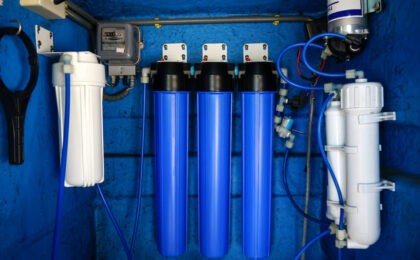
Some systems treat water at a single tap, usually in the kitchen, while others are installed where water enters the property. Point-of-use systems are often practical when the main concern is water used for drinking and cooking. Whole-house systems may be more appropriate when a confirmed issue affects water throughout the building.
Before choosing, consider what you actually need to remove. A system marketed as a complete solution may not address every substance found in your water.
Is Reverse Osmosis Worth Considering?
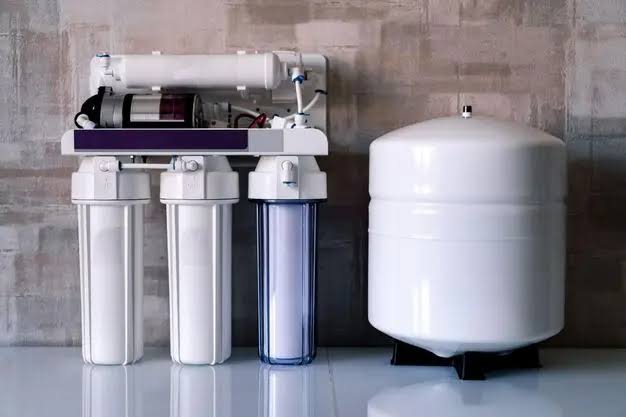
For households concerned about certain dissolved substances, reverse osmosis is an option worth understanding. This technology uses pressure to push water through a semipermeable membrane, separating much of the dissolved material from the treated water.
Depending on the system and membrane, reverse osmosis can reduce various dissolved salts, some metals, nitrates, and other contaminants. However, removal performance differs by substance, equipment design, and operating conditions. It’s always worth checking independent certification and the manufacturer’s specific performance data.
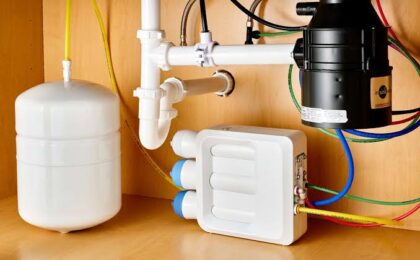
These systems are commonly installed beneath kitchen sinks and can be useful when testing identifies a problem they are designed to address. Many also include a carbon filter to improve taste and reduce certain chemicals. Some models use several treatment stages, though a longer list of filters doesn’t automatically mean better performance.
There are practical considerations, too. Reverse osmosis systems usually produce a stream of rejected water, although efficiency varies significantly between models. They require periodic filter changes, and the membrane eventually needs replacement. Installation space, water pressure, and ongoing costs should all be part of the decision.
Another point often overlooked is mineral content. Reverse osmosis removes many minerals along with unwanted dissolved substances. Some systems add minerals back for taste, but remineralisation isn’t automatically necessary for every household. If you’re unsure what your water needs, seek advice based on actual test results.
Start With a Water Test, Not a Sales Pitch
It’s tempting to buy a filtration system after seeing an advertisement that promises cleaner, healthier water. Yet the most useful first step is usually testing.
A water test can identify specific characteristics such as hardness, pH, dissolved solids, and selected contaminants. The appropriate testing panel depends on your location and water source. A private well, for example, may need testing for bacteria and nitrates, while older plumbing could raise questions about lead or other metals.
Municipal water customers can often obtain quality information from their local supplier. If the concern involves water after it enters the property, testing a sample from the relevant tap may provide more useful information than relying only on the supplier’s general report.
Once you know what’s present, compare systems that are designed to address those particular findings. Look for recognised independent certifications, clear maintenance instructions, and evidence supporting the product’s reduction claims. If a seller recommends a costly system without asking about your water source or test results, take a step back.
Good advice should explain both what a system can do and what it cannot do.
Maintenance Is Part of the Deal
Buying a filter is only the beginning. Every treatment system needs appropriate maintenance, and ignoring it can reduce performance over time.
Follow the manufacturer’s replacement schedule, keep track of service dates, and use compatible replacement parts. Filters that are overdue for replacement may become less effective, while neglected equipment can develop leaks or hygiene problems. Systems that disinfect water also need to be maintained according to their specific requirements.
Storage tanks deserve attention as well. In homes where water is stored before use, regular cleaning and inspection can help prevent avoidable quality problems. If the water suddenly changes colour, develops an unusual smell, or causes unexplained illness, contact the relevant water supplier or public-health authority rather than assuming a new filter will solve everything.
And remember, boiling isn’t a universal fix. It can kill many disease-causing microorganisms, but it doesn’t remove dissolved salts or heavy metals and may concentrate certain contaminants as water evaporates.
Making a Confident Choice for Your Household
At the end of the day, drinking water should be dependable, accessible, and suitable for everyday use. Finding the right system doesn’t have to become an exhausting technical project. Begin with your water source, investigate any noticeable changes, and arrange appropriate testing when necessary.
Then compare the options honestly. Think about installation costs, replacement filters, water efficiency, available space, and the amount of maintenance you’re willing to manage. A basic carbon filter may be enough for one household, while another may benefit from a more advanced treatment system.
Most importantly, don’t confuse expensive equipment with guaranteed safety. The best choice is the one that addresses a real need, performs as promised, and can be maintained properly over time.
Clean water is one of those household essentials we tend to appreciate most when something goes wrong. A thoughtful decision today can make tomorrow’s everyday routines feel a little simpler—and that’s a worthwhile improvement.