Key Points
Water is one of those household essentials that rarely gets much attention until something goes wrong. Maybe the shower leaves white marks on the glass, the kettle develops a chalky coating, or the water from the kitchen tap has a taste you just can’t get used to. These things may seem minor at first, but…
Water is one of those household essentials that rarely gets much attention until something goes wrong. Maybe the shower leaves white marks on the glass, the kettle develops a chalky coating, or the water from the kitchen tap has a taste you just can’t get used to. These things may seem minor at first, but over time they can make everyday chores more frustrating than they need to be.
The trouble is that water quality isn’t the same everywhere. Even two homes in the same neighbourhood can experience different issues because of plumbing, water sources, and existing treatment equipment. Choosing the right solution starts with understanding what’s happening in your own home, rather than assuming every water problem can be fixed with the same filter.
Understanding What Your Household Water Needs
Before investing in treatment equipment, take a moment to consider the signs you’re noticing. White mineral deposits may point toward hard water, while reddish stains can sometimes indicate iron. An unusual smell or taste may have a different cause altogether. These clues are useful, but they don’t provide a complete picture of water quality.
Testing is often the most sensible place to begin. A water test can help identify hardness, pH, sediment, and selected contaminants, depending on the method used. If you’re concerned about substances such as lead, bacteria, or nitrates, choose an appropriate test, and consider a certified laboratory where necessary. A basic demonstration or hardness check cannot establish whether water is safe from every possible contaminant.
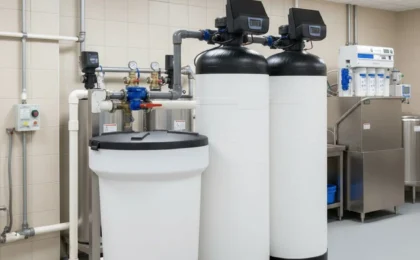
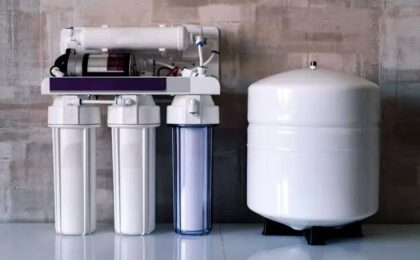
This matters because treatment should be based on evidence. A softener is designed primarily to address hardness minerals, while a sediment filter captures particles. Activated carbon may reduce certain tastes and odours, and reverse osmosis can reduce a range of dissolved substances when the system is properly selected. Each technology has a particular purpose, and knowing that purpose helps prevent unnecessary spending.
Why Residential Water Treatment Deserves a Closer Look
For many homeowners, water quality affects more than the taste of a glass of water. It can influence how easily bathrooms stay clean, how appliances perform, and how much time gets spent scrubbing mineral deposits from faucets. A thoughtfully selected residential water treatment system can address specific concerns and make everyday water use more convenient.
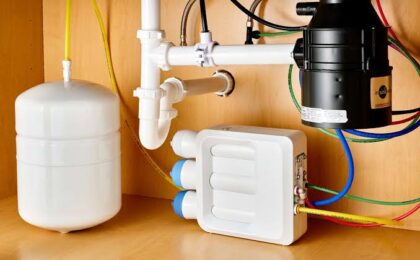
The right setup depends on what the water test reveals. Some households may benefit from a point-of-use filter beneath the kitchen sink, especially if drinking-water taste is the main concern. Others may need treatment where water enters the property because the issue affects several bathrooms, laundry equipment, or plumbing fixtures.
Hardness is a common example. Calcium and magnesium can form scale as water evaporates, leaving deposits on showerheads, glass, and heating elements. A conventional ion-exchange softener reduces these minerals and may help limit scale buildup. However, it doesn’t automatically remove every contaminant, so it shouldn’t be treated as a complete purification system.
It’s also worth thinking about household routines. A family that fills water bottles throughout the day may value easy access to filtered drinking water. A larger home with several bathrooms may need equipment capable of handling higher flow rates without causing an inconvenient drop in pressure. Small details like these can make a real difference once the system is installed.
Look Beyond the Initial Purchase Price
Water-treatment equipment is a long-term household purchase, so the advertised price only tells part of the story. Installation, replacement filters, salt, electricity, water usage, and professional servicing can all affect the total cost over time.
Ask suppliers to explain what’s included in their estimates. Does the price cover installation and plumbing connections? Are replacement cartridges readily available? How often does the equipment need servicing, and what will that maintenance typically cost? Clear answers make it easier to compare systems fairly.
Be cautious of broad promises that a single device will remove every unwanted substance. No treatment system is suitable for every water supply. Look for independently verified performance claims that match the concerns identified by your test results. If a recommendation seems excessive, asking for a second opinion is perfectly reasonable.
Improving Efficiency Without Complicating Your Home
A treatment system should fit naturally into daily life. It shouldn’t create a new set of problems simply because the equipment is difficult to maintain or wasn’t sized correctly. Proper selection and installation can support improved efficiency by helping the system operate according to household demand and the water conditions it is designed to address.
For example, a correctly sized softener can be more practical than a unit that regenerates too frequently or is much larger than necessary. Likewise, a drinking-water filter with a suitable capacity can provide enough treated water for cooking and filling bottles without constant waiting. These details are easy to overlook when comparing products online, yet they influence how convenient the system feels after installation.
Placement matters, too. Leave enough room to access filter housings, change cartridges, and inspect connections. Some equipment requires drainage or electrical access, so installation should follow the manufacturer’s instructions and applicable local requirements. If plumbing changes are needed, professional installation may help prevent leaks and avoid problems caused by incorrect connections.
Maintenance Is Part of the Plan
Even good equipment needs regular care. Filter media has a limited service life, reverse osmosis membranes need replacement, and conventional softeners generally require salt replenishment and periodic checks. If maintenance is ignored, performance may decline, and the household may not notice immediately.
Keep a simple record of installation dates, filter changes, service visits, and water-test results. Follow the manufacturer’s schedule rather than waiting for the water to taste different or for pressure to drop. If the source changes, plumbing is repaired, or you notice a sudden shift in taste, colour, or odour, further testing may be appropriate.
These habits support long-term reliability because they help identify potential issues before they become more disruptive. They also make it easier to understand how the system has been performing over time and when it may need professional attention.
Choose What Works for Your Home
Better water doesn’t necessarily require the biggest or most expensive system on the market. It requires a clear understanding of your water, a realistic assessment of your household’s needs, and equipment that is designed to address the identified concerns.
Start with reliable testing, compare the available options, and ask questions about performance, installation, maintenance, and ongoing costs. A good provider should be able to explain what a recommended system can do, what it cannot do, and why it suits your situation.
Water quality may not be the most exciting part of homeownership, but it touches nearly every day. With sensible planning and regular maintenance, you can make informed improvements that support your household’s comfort without turning a simple need into an unnecessarily complicated project.