Key Points
There’s something disappointing about pouring yourself a glass of water and noticing an unpleasant aftertaste. It might be a faint metallic flavor or a lingering hint of chlorine. Whatever the reason, you find yourself reaching for bottled water instead. Before long, buying another pack of water becomes an ordinary part of your weekly grocery trip.…
There’s something disappointing about pouring yourself a glass of water and noticing an unpleasant aftertaste. It might be a faint metallic flavor or a lingering hint of chlorine. Whatever the reason, you find yourself reaching for bottled water instead. Before long, buying another pack of water becomes an ordinary part of your weekly grocery trip.
Modern drinking water systems offer homeowners a convenient alternative by treating water directly where it’s needed most, whether for drinking, cooking, or preparing everyday beverages.
But choosing suitable filtration equipment involves more than finding a product that promises better taste. Understanding your water quality, kitchen layout, and household consumption can help you make a decision that pays off in everyday convenience.
Why Ordinary Tap Water Doesn’t Always Taste Great
Water characteristics depend on several factors, including its original source, municipal treatment processes, and the plumbing through which it travels.
Naturally occurring dissolved minerals can contribute to distinctive flavors. Disinfectants used during municipal treatment may also leave a noticeable taste or odor.
Sometimes, household plumbing influences water characteristics as well.
Although unpleasant flavors can be frustrating, they don’t necessarily indicate that water is unsafe. Conversely, perfectly clear and pleasant-tasting water may contain substances that require specialized testing to detect.
That’s why understanding your incoming water supply is important before choosing treatment equipment. Reliable testing can reveal which concerns deserve attention and help prevent unnecessary purchases.
Making Better Use of the Space Beneath Your Sink
Kitchen countertops can become crowded remarkably quickly. Between the coffee machine, toaster, and everyday cooking essentials, finding room for another appliance isn’t always practical.
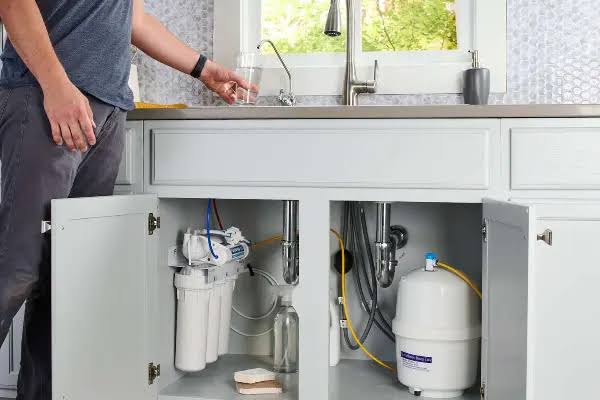
Installing under-sink reverse osmosis filtration allows homeowners to keep treatment equipment neatly concealed inside a cabinet while accessing treated water through a dedicated kitchen faucet.
Reverse osmosis uses water pressure to move water through a semipermeable membrane that rejects many dissolved substances. These substances are carried away through a separate discharge stream.
Most residential units also incorporate sediment and carbon filters to support treatment performance.
Traditional models typically include a storage tank, while tankless designs produce treated water on demand.
Both arrangements have advantages, depending on available space, incoming water pressure, and household consumption.
Choosing Purification Technology That Addresses Your Needs
Not every household needs an elaborate filtration system. Some homeowners simply want to reduce an objectionable chlorine taste, while others have concerns about specific dissolved contaminants.
Effective home drinking water purification begins with identifying the substances present in your supply and selecting treatment equipment with demonstrated capabilities to address them.
Activated carbon filters can reduce certain unwanted tastes, odors, and contaminants. Reverse osmosis may address various dissolved salts, nitrates, and specific metals, depending on the system’s verified performance.
Private well owners may require additional treatment to address microbial concerns or other substances identified through laboratory testing.
The most suitable equipment isn’t necessarily the one with the greatest number of treatment stages. It’s the one that addresses your particular water quality requirements.
Enjoying Better Water in Everyday Meals and Beverages
Water is probably one of the most overlooked ingredients in any kitchen.
Think about the pasta you prepare for dinner, the tea you enjoy before bedtime, or the coffee that helps you get going on a Monday morning.
When water has an unpleasant flavor, those characteristics can sometimes influence the finished food or beverage.
Appropriate filtration may provide a more neutral-tasting starting point for preparing your favorite recipes.
Coffee enthusiasts might prefer water with a particular mineral balance, which explains why some reverse osmosis systems incorporate remineralization cartridges.
Taste is personal, of course. But having easy access to water you genuinely enjoy can make familiar kitchen activities just a little more satisfying.
Reducing Your Dependence on Bottled Water
Buying bottled water occasionally doesn’t seem like a particularly significant expense. However, households that consume several bottles every day may find those purchases gradually adding up.
Having appropriately treated water available directly from a kitchen faucet can help reduce reliance on packaged alternatives.
It also means fewer heavy containers to carry home and potentially less disposable plastic packaging to manage.
Still, filtration equipment has its own environmental and financial considerations. Reverse osmosis produces reject water, while replacement cartridges require periodic disposal.
Comparing equipment efficiency and ongoing maintenance expenses helps homeowners make a balanced purchasing decision.
What to Consider Before Installing Your System
Before purchasing filtration equipment, take a look beneath your kitchen sink. Is there enough room for the system, and will replacement filters remain easily accessible?
Incoming water pressure, drainage arrangements, production capacity, and plumbing connections also deserve attention.
Ask about replacement filter availability and whether professional installation and servicing are available.
A system that looks affordable initially may become expensive to maintain if specialized components are difficult to obtain.
It’s worth taking these practical details into account before committing to equipment.
Keeping Your Drinking Water Filtration Working Reliably
Once installed, filtration equipment tends to disappear into the background of household life. Nevertheless, regular maintenance remains essential.
Preliminary filters require periodic replacement, membranes eventually lose treatment performance, and certain components may need sanitization.
Follow manufacturer recommendations and keep track of servicing dates.
Periodic water testing is particularly important when equipment is intended to reduce potentially harmful contaminants.
Making Better Water a Simple Everyday Comfort
Improving your drinking water doesn’t have to involve complicated equipment or demanding maintenance routines.
Begin with reliable testing, choose suitable filtration technology, and give your equipment the consistent care it requires.
Ultimately, the appeal of kitchen water treatment lies in everyday convenience. Filling a reusable bottle, preparing a comforting homemade meal, or simply enjoying a refreshing glass of water becomes that much easier.
Sometimes, the most worthwhile household improvements are the ones that quietly make ordinary life more enjoyable.