Key Points
Water quality is one of those things people tend to overlook until something becomes noticeably wrong. Maybe the tap water has an unpleasant smell, tiny particles appear in the kitchen sink, or a recently washed glass still looks cloudy. Whatever the issue, dealing with it repeatedly can get frustrating. A whole-house filtration system offers a…
Water quality is one of those things people tend to overlook until something becomes noticeably wrong. Maybe the tap water has an unpleasant smell, tiny particles appear in the kitchen sink, or a recently washed glass still looks cloudy. Whatever the issue, dealing with it repeatedly can get frustrating.
A whole-house filtration system offers a practical alternative to installing separate filters around the property. But with so many technologies, brands, and equipment configurations available, choosing the right one isn’t always straightforward.
The trick is understanding what your home actually needs rather than getting distracted by impressive product descriptions and features that might offer little practical value.
Why a Single Filter Isn’t Always Enough
Water can contain several unwanted substances, and different filtration methods are designed to address different concerns. Sediment filters capture suspended particles, while carbon filters can reduce chlorine and certain unpleasant tastes and odors.
The difficulty arises when a household experiences multiple water quality problems simultaneously.
Installing combination whole-home filters can be a sensible approach for properties that require more than one type of treatment. These systems bring different filtration stages together, allowing each component to perform a specific function.
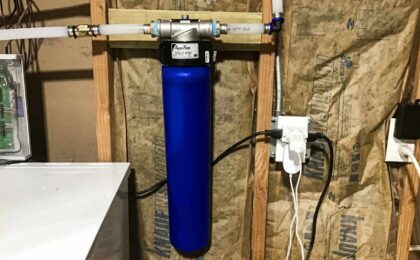
For example, a sediment filter might capture rust and dirt before water passes through a carbon treatment stage. This arrangement can also help protect downstream filtration media from excessive particle buildup.
It’s a practical setup, especially when supported by reliable water testing.
How Modern Filtration Technology Is Changing Home Water Treatment
Water treatment equipment has evolved considerably. Older systems were often relatively basic, whereas newer designs may offer improved monitoring, convenient controls, and more efficient operation.
Homeowners exploring advanced ecowater filtration technology should compare individual models based on treatment capabilities, flow rates, maintenance requirements, and independently verified performance claims.
Depending on the equipment, modern filtration systems may incorporate multiple treatment stages or features that simplify routine operation.
Still, advanced doesn’t automatically mean better for every household. Someone experiencing a straightforward chlorine taste problem may not require an elaborate treatment arrangement.
Technology should solve an existing problem, not create another responsibility that homeowners have to manage. Sometimes, simplicity wins.
Looking Beyond Drinking Water Quality
It’s natural to focus on the water we drink. After all, nobody wants to fill a glass with water that smells unpleasant or contains visible particles.
But household water serves many other purposes.
Think about your morning shower, weekly laundry, and the water running through your dishwasher. These activities can also be affected by certain water quality concerns.
Centralized filtration treats incoming water before it reaches connected fixtures throughout the property. Depending on the selected equipment, this can help reduce sediment and chlorine-related concerns across several household areas.
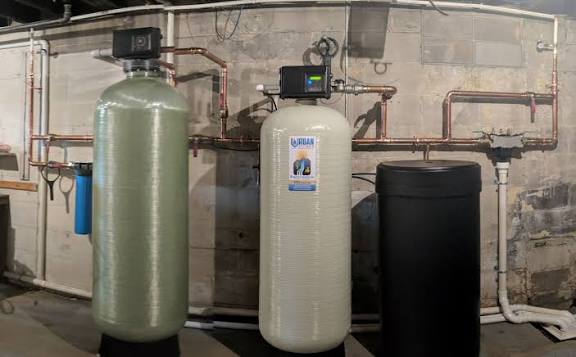
However, standard filtration doesn’t necessarily address excessive water hardness. Properties experiencing persistent mineral deposits may also require a water softener.
Understanding the distinction between these technologies helps homeowners make more informed purchasing decisions.
Why Reliable Service Matters More Than You Might Expect
Purchasing filtration equipment is only the beginning. Eventually, filters need replacement, components require servicing, and unexpected problems may arise.
Finding a provider offering support for all major whole-home filter brands can be particularly helpful for homeowners who already have treatment equipment installed or want flexibility when choosing a new system.
Before committing, confirm that the provider actually services your specific brand and model.
Reliable technical assistance can make troubleshooting considerably easier. It may also prevent homeowners from replacing an entire system when a relatively simple repair or component replacement would be sufficient.
Good after-sales service is often worth just as much as the equipment itself.
Choosing a System That Handles Your Daily Water Demand
Imagine taking a shower while someone else is running the washing machine and preparing dinner. It’s a perfectly normal evening in a busy household.
Your filtration equipment needs to accommodate those overlapping demands.
An undersized or overly restrictive system may reduce water flow, particularly when several fixtures are operating simultaneously. That’s why equipment capacity deserves careful consideration.
Household size, plumbing dimensions, incoming water pressure, and peak consumption all influence system selection.
Installation space matters too. Some properties have plenty of room for treatment equipment, while others require creative planning.
Discussing these details before installation can prevent frustrating surprises later.
Understanding the Long-Term Cost of Filtration
The price printed on a product brochure doesn’t necessarily reflect the full cost of owning that equipment.
Replacement cartridges, servicing, treatment media, and potential repairs all contribute to ongoing expenses.
Some systems may have a relatively affordable purchase price but require frequent filter replacements. Others might cost more initially while offering longer service intervals under suitable conditions.
Ask about replacement part availability and estimated annual maintenance expenses. These practical details can help you compare systems more fairly.
Nobody wants a filtration system that becomes increasingly expensive to keep running.
Keeping Your Water Filtration System in Good Shape
Maintenance isn’t particularly exciting, but it’s essential for reliable filtration.
Sediment filters gradually collect debris, while carbon media eventually loses its ability to reduce targeted substances.
Following manufacturer-recommended servicing intervals helps maintain treatment performance. Changes in water pressure, taste, or odor may also indicate that equipment needs attention, although exhausted filters don’t always produce noticeable warning signs.
Keeping a simple maintenance record can make the process much easier.
Better Water Without Unnecessary Complications
Improving household water quality shouldn’t feel like a never-ending technical project. With proper testing, suitable filtration equipment, and dependable professional support, the process can be manageable.
Choose a system that addresses your actual concerns, accommodates your household’s water usage, and fits comfortably within your long-term budget.
Ultimately, a good filtration system should make everyday life easier. Cleaner-looking water, fewer unwanted odors, and less worry about equipment maintenance are practical benefits that homeowners can appreciate long after installation day.