Key Points
It’s easy to forget that every faucet in your home receives water from the same incoming supply. Whether you’re filling a cooking pot, running a bath, or washing a load of clothes, you’re depending on water that has traveled through a network of pipes before reaching your property. If that water contains unwanted particles or…
It’s easy to forget that every faucet in your home receives water from the same incoming supply. Whether you’re filling a cooking pot, running a bath, or washing a load of clothes, you’re depending on water that has traveled through a network of pipes before reaching your property. If that water contains unwanted particles or noticeable odors, the effects can extend throughout the house.
For homeowners considering water treatment at the point of entry, addressing water quality before it reaches individual fixtures can offer a practical and convenient alternative to maintaining several separate filters.
Across Pekin and surrounding Central Illinois communities, centralized filtration is worth exploring for households that want to improve their everyday water experience without unnecessarily complicating their plumbing arrangements.
Why the Location of Your Water Filter Matters
A small filter attached to your kitchen faucet can certainly improve certain characteristics of your drinking water. However, it doesn’t address the water flowing through your shower, washing machine, or other household fixtures.
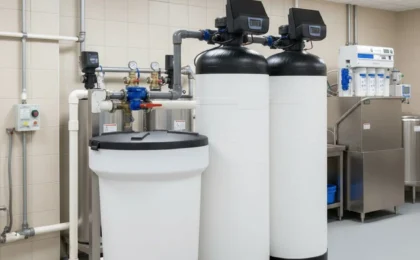
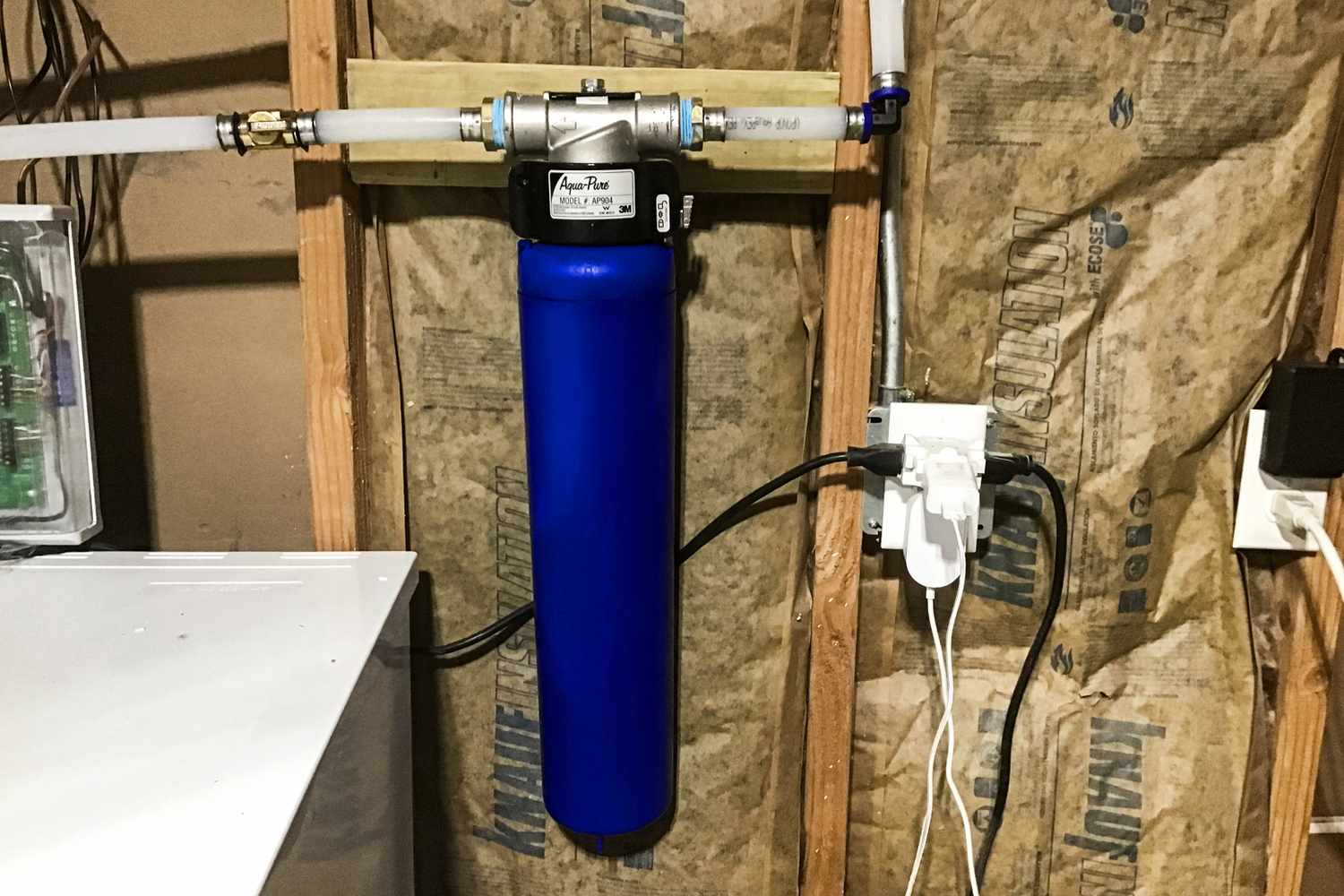
Appropriately designed point-of-entry water filtration solutions treat incoming water near the main supply line, providing broader coverage throughout designated areas of the property.
Depending on the equipment selected, this approach can help reduce suspended particles, chlorine odors, and other identified water quality concerns.
It’s particularly useful when the same problem appears at several faucets rather than just one.
There’s also a practical maintenance advantage. Instead of keeping track of several individual filters scattered around the house, homeowners can concentrate on maintaining a centralized treatment arrangement.
Understanding the Different Types of Whole-House Filters
Not all filtration equipment works in the same way. Different treatment media are designed to address different substances, making equipment selection an important part of the process.
Many whole-home water filter systems incorporate sediment cartridges, activated carbon media, or specialized filtration components that target particular water quality concerns.
Sediment filters capture suspended materials such as sand, silt, and rust particles. Activated carbon can help reduce chlorine taste and odor, along with certain other substances.
Specialized treatment media may be appropriate for households experiencing excessive iron, manganese, or other contaminants.
Some properties benefit from combining several filtration technologies, while others need only a relatively simple arrangement.
The number of filtration stages matters less than whether each component performs a useful function for your particular water supply.
Getting to Know the Water Coming Into Your Home
Before investing in treatment equipment, take some time to understand your water quality.
Perhaps you’ve noticed tiny particles collecting inside faucet aerators. Maybe your shower has a noticeable chemical smell, or the water occasionally appears discolored.
These observations can provide useful clues, but they don’t necessarily identify the underlying cause.
Municipal water customers in Central Illinois can review their supplier’s water quality reports. Homeowners relying on private wells should arrange appropriate laboratory testing.
It’s also worth considering the condition of household plumbing, particularly in older properties.
Sometimes, a problem originates within the home rather than the incoming water supply. Identifying that distinction can save you from purchasing filtration equipment that doesn’t address the actual issue.
Protecting the Household Equipment You Depend On
Your washing machine and dishwasher probably receive little attention until something stops working. Yet both appliances depend on a consistent water supply, and suspended particles can contribute to maintenance problems.
Suitable sediment filtration helps reduce the amount of particulate material reaching appliance screens, valves, and plumbing components.
Mineral buildup, however, requires a different approach.
If you’re regularly removing chalky deposits from faucets or heating elements, dissolved calcium and magnesium may be contributing to hardness. Conventional sediment and carbon filters don’t effectively remove these minerals.
An appropriately selected water softener may be necessary.
Understanding the difference between softening and filtration helps homeowners protect their equipment without expecting one treatment method to accomplish everything.
Finding a System That Keeps Up With Busy Household Routines
Picture a typical weekday morning. Two people are getting ready for work, someone starts the dishwasher, and another family member turns on the bathroom faucet.
Your filtration equipment needs to accommodate these ordinary moments without creating noticeable restrictions in water flow.
Proper system sizing involves considering incoming water pressure, household consumption, peak flow requirements, and plumbing dimensions.
Available installation space deserves attention, too.
Equipment should remain accessible for filter replacements and servicing rather than being tucked into an inconvenient corner.
Discuss bypass arrangements with your installer, particularly if certain outdoor faucets don’t require treated water.
These practical details often make the difference between a system that’s easy to live with and one that becomes unnecessarily frustrating.
Planning for Maintenance Before Installation
A filtration system might operate quietly behind the scenes, but it still requires occasional attention.
Sediment cartridges gradually accumulate particles, while activated carbon media eventually reach their treatment capacity.
Before purchasing equipment, ask about replacement schedules, component availability, and ongoing servicing expenses.
Keep track of maintenance dates and investigate unexpected changes in water pressure, taste, or appearance.
When treating specific contaminants, appropriate follow-up testing can help verify that the equipment continues performing effectively.
Maintenance doesn’t need to become complicated. A little organization and consistent attention can go a long way toward preserving your investment.
Creating a More Comfortable Home Through Better Water
For homeowners in Pekin and throughout Central Illinois, centralized filtration can make practical sense when it addresses genuine water quality concerns.
Start with reliable testing, choose equipment that matches your property’s requirements, and establish a manageable maintenance routine.
The benefits may become apparent through more pleasant showers, fewer suspended particles, and reduced unwanted odors throughout the home.
Water is involved in so many ordinary moments that its quality deserves more attention than it often receives.
Sometimes, the most worthwhile improvements begin somewhere you rarely look — right at the main water supply line, where better water can begin its journey through your home.